When it comes to ball valves, one of the fundamental distinctions that professionals and enthusiasts alike need to understand is the difference between single - piece and multi - piece ball valves. As a ball valve supplier, I've witnessed firsthand how the choice between these two types can significantly impact the performance, installation, and maintenance of a system. In this blog, I'll delve into the key differences, advantages, and disadvantages of single - piece and multi - piece ball valves to help you make an informed decision for your project.
Structural Design
The most obvious difference between single - piece and multi - piece ball valves lies in their structural design. A single - piece ball valve is constructed as a single, continuous unit. This means that the body of the valve is formed in one piece, with the ball, stem, and seats enclosed within. The simplicity of this design makes it compact and lightweight, which is ideal for applications where space is limited.
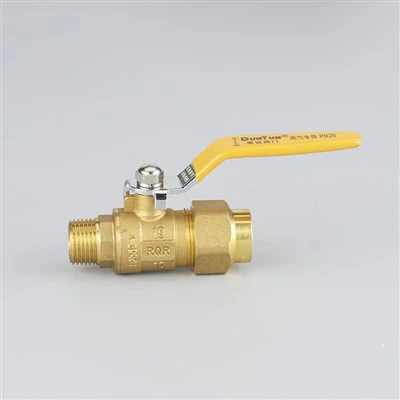
On the other hand, a multi - piece ball valve consists of multiple parts that are assembled together. Typically, it includes a body, two end caps, and sometimes additional components. The modular nature of the multi - piece design allows for easier disassembly and access to the internal components.
Installation
Installation is a crucial consideration when choosing between single - piece and multi - piece ball valves. Single - piece ball valves are generally easier and quicker to install. Since they are pre - assembled as a single unit, there's no need to spend time aligning and connecting multiple parts. This can save both time and labor costs, especially in large - scale projects.
However, multi - piece ball valves offer more flexibility during installation. If adjustments are needed or if the valve needs to be installed in a tight or awkward space, the ability to disassemble the valve and install the parts separately can be a significant advantage. Additionally, multi - piece valves can be more easily customized to fit specific piping configurations.
Maintenance and Repairs
Maintenance is where the difference between single - piece and multi - piece ball valves becomes even more pronounced. Single - piece ball valves are often considered "throw - away" valves. Due to their one - piece construction, it's difficult and sometimes impossible to access the internal components for repair. If a single - piece valve fails, it usually needs to be replaced entirely. This can be a drawback in applications where downtime needs to be minimized and replacement parts are not readily available.
Multi - piece ball valves, on the other hand, are designed for easy maintenance. The ability to disassemble the valve allows for quick inspection, cleaning, and replacement of individual components such as the ball, seats, or stem. This can extend the lifespan of the valve and reduce long - term costs. For example, if the seats of a multi - piece valve are worn out, they can be easily replaced without having to replace the entire valve.
Pressure and Temperature Ratings
Pressure and temperature ratings are important factors to consider in any valve application. Single - piece ball valves typically have lower pressure and temperature ratings compared to multi - piece ball valves. The one - piece construction may not be as strong or durable under high - pressure or high - temperature conditions.
Multi - piece ball valves are often designed to handle higher pressures and temperatures. The multiple parts are usually made from stronger materials and are assembled in a way that can withstand more extreme conditions. This makes them suitable for industrial applications such as oil and gas, chemical processing, and power generation.
Cost
Cost is always a consideration in any project. Single - piece ball valves are generally less expensive than multi - piece ball valves. The simpler design and fewer manufacturing steps result in lower production costs, which are then passed on to the customer. This makes single - piece valves a cost - effective choice for applications where the valve is not subjected to high stress or where the risk of failure is relatively low.
Multi - piece ball valves, while more expensive upfront, can offer better long - term value. The ability to repair and replace individual components can reduce the need for frequent valve replacements, which can save money in the long run.
Applications
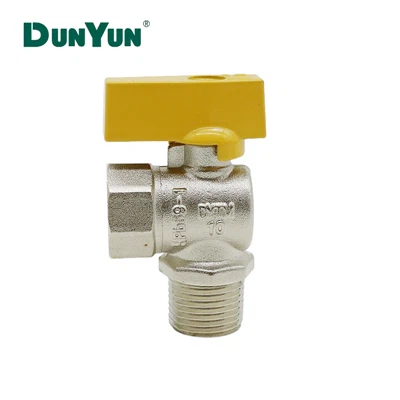
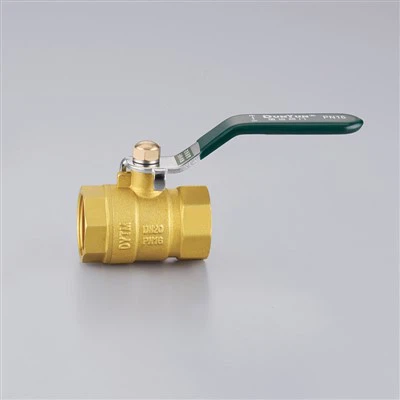
The choice between single - piece and multi - piece ball valves also depends on the specific application. Single - piece ball valves are commonly used in residential and light - commercial applications such as plumbing, water supply systems, and low - pressure air or gas lines. For example, a Brass Ball Valve Lever Handle Female is often a single - piece valve that is suitable for household plumbing applications.
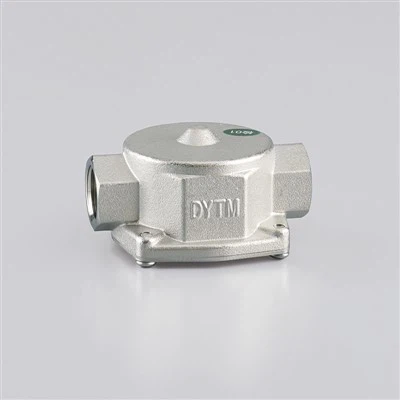
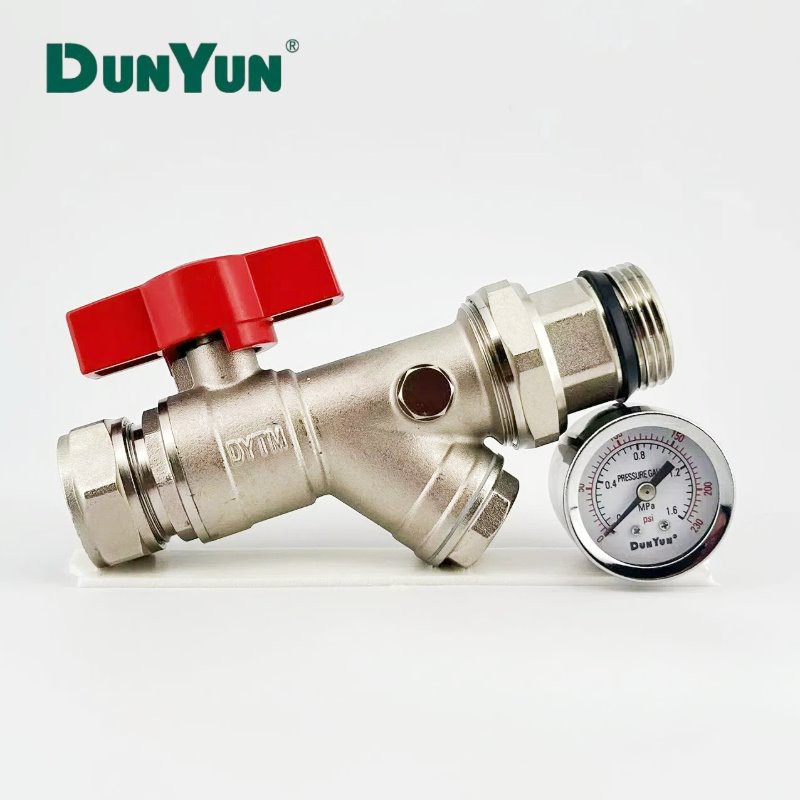
Multi - piece ball valves are preferred in industrial applications where reliability, high performance, and ease of maintenance are critical. They are commonly used in industries such as oil and gas, chemical processing, and power generation. A Brass Foot Diameter Locking Ball Valve or a Water Filter Ball Valve may be a multi - piece valve used in more demanding applications.
Conclusion
In conclusion, the difference between single - piece and multi - piece ball valves is significant and should be carefully considered based on your specific needs. Single - piece ball valves offer simplicity, ease of installation, and low cost, making them suitable for many residential and light - commercial applications. Multi - piece ball valves, on the other hand, provide better access for maintenance, higher pressure and temperature ratings, and greater long - term value, making them ideal for industrial applications.
If you're in the market for ball valves and need help choosing the right type for your project, don't hesitate to reach out. As a ball valve supplier, I have the expertise and experience to assist you in making the best decision. Whether you need a single - piece valve for a simple plumbing job or a multi - piece valve for an industrial application, I can provide you with high - quality products and professional advice. Contact me today to start the procurement process and let's find the perfect ball valve solution for you.
References
- Valve Handbook, 4th Edition, by Milton Beychok
- Industrial Valves: Selection, Specification, and Sizing by Daniel R. Preece